This year, while I still read often and in a wide variety of genres, I haven’t posted many reviews. It was a challenging year in many respects, but also a beautiful year. My husband and I got to celebrate a major anniversary by going to England and Scotland! Before we visited Oxford (where we spent a couple of days getting absolutely soaked with rain), I thoroughly enjoyed diving into the life and writings of C.S. Lewis and his Inklings friends. Several British writers make an appearance in this list of my favorite books of 2025! If you are a fellow reader always looking for your next book, I hope you enjoy this sample of my favorite books of the year. Please leave a comment or send me a message with your book recommendations for my next year of reading!
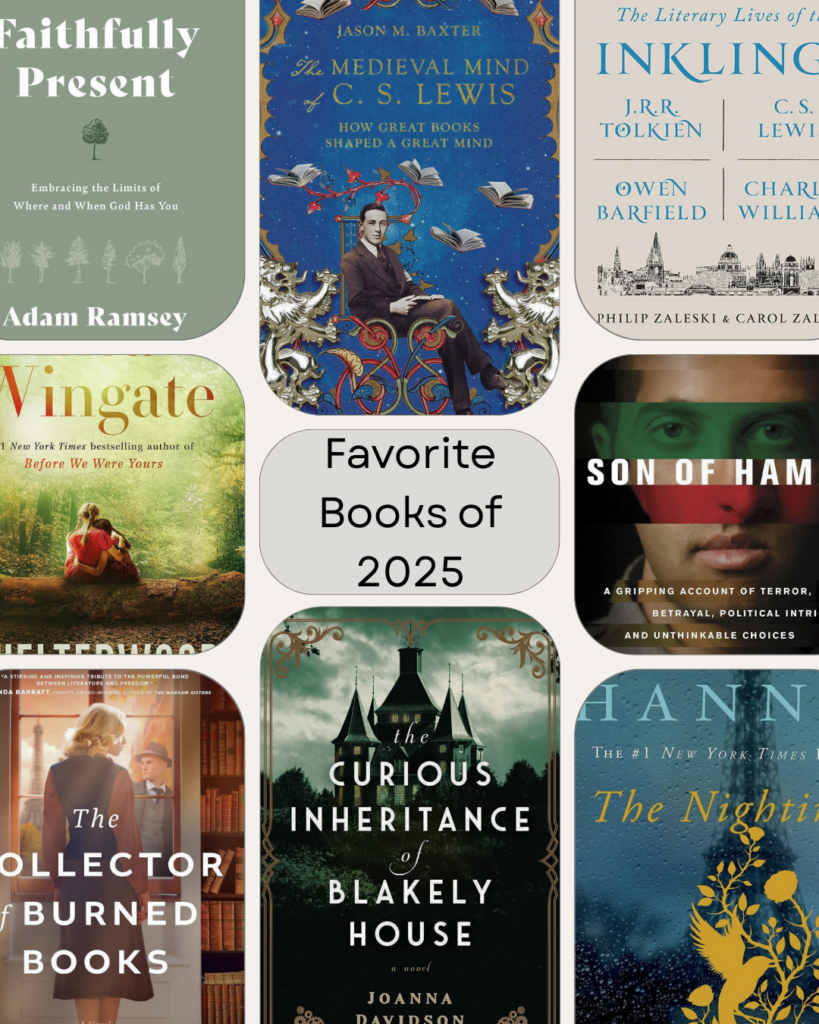
You’ll notice that I listened to many audiobooks this year. (I have to listen at night or on long road trips, as life with young children does not lend itself to popping your earbuds in and going on with your day!) The best performed audiobook? Malcolm Gladwell’s conversations with Paul Simon, by far! The listener is transported to Simon’s living room, hearing him strumming his guitar.
2025 Booklist
Nonfiction
Biography/History
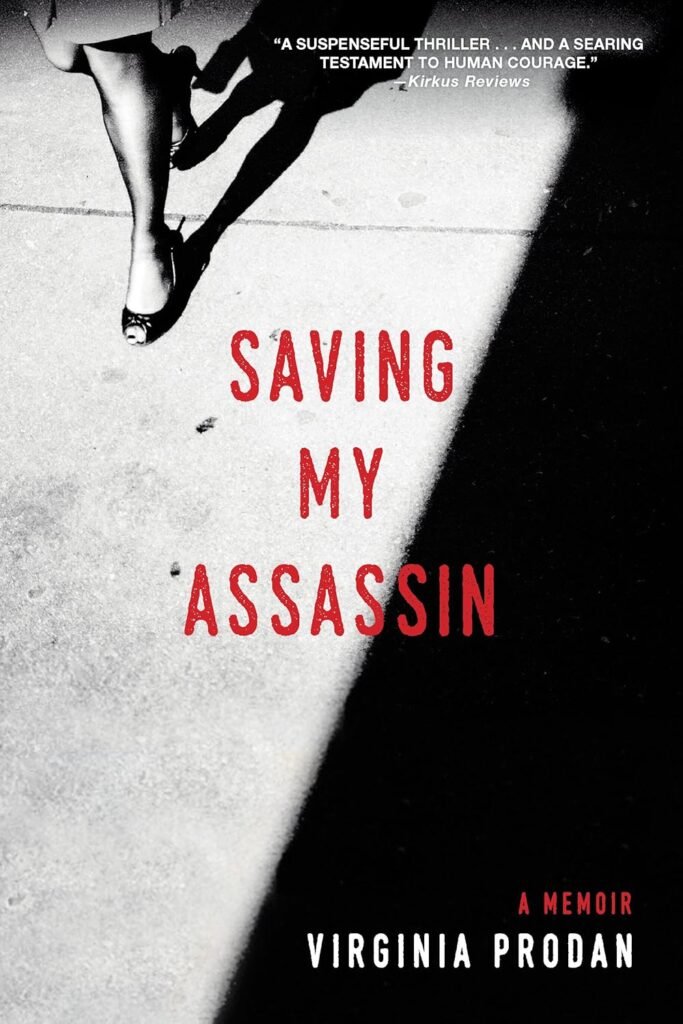
Saving My Assassin: A Memoir (The True Story of a Christian Attorney’s Battle for Religious Liberty in Romania), by Virginia Prodan
This is such an inspiring story! Ms. Prodan defended Romanian Christians suffering religious persecution at great personal cost. This book is worth your time, not only to see life through the eyes of someone in a different culture but also to remind you of our Christian sisters and brothers around the world.
The Rape of Nanking: The Forgotten Holocaust of World War II, by Iris Chang
A gripping but painful story about seven of the most horrific weeks in recent human history. The atrocities committed by Japanese soldiers against peaceful Chinese civilians in the city of Nanking have been largely covered up in the years since WWII. I can vaguely remember seeing the words in print in a long ago history textbook, perhaps a sentence in passing. I had no idea the scale of the violence against the Chinese people during the Sino-Japanese War. Many times during my reading of this book I had to take a break or would actually shudder and groan as I read accounts of horrific and painful torture, murder, and rape.
The only part of this book that I found in any way encouraging or hopeful were the accounts of the foreign missionaries (and, unexpectedly, a heroic German Nazi!) who defended thousands of Chinese civilians within the confines of an international safety zone. Their heroism needs to be remembered.
Do I recommend this book? Yes, if you want to know about the Holocaust of China. No, if you are currently struggling with depression. The author herself committed suicide not many years after writing this book, and one has to wonder if her time immersed in such painful realities of history pushed her over the edge.
The Bad-Ass Librarians of Timbuktu, and their Race to Save the World’s Most Precious Manuscripts, by Joshua Hammer
What a story! The title is a bit unfortunate for those of us who don’t prefer to use such language, but the story feels like an 1800s adventure novel. The men in this story crossed deserts and fooled militants in an effort to save precious medieval scrolls–some of the oldest literature in the world.
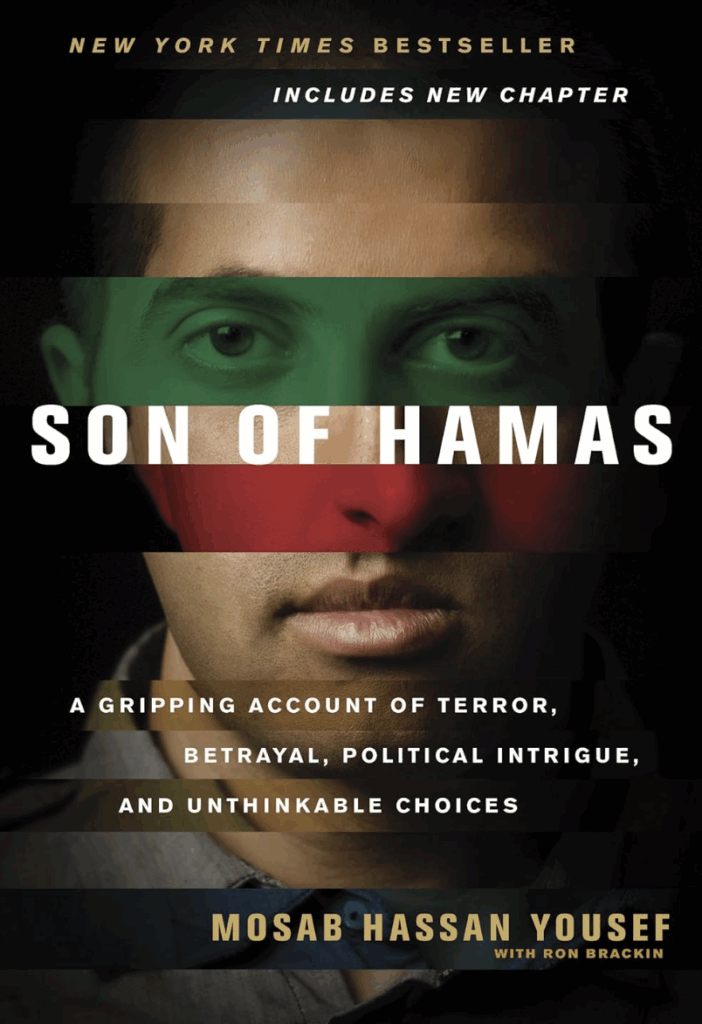
Son of Hamas: A Gripping Account of Terror, Betrayal, Political Intrigue, and Unthinkable Choices, Mosab Hassan Yousef
Son of Hamas is a rare insider’s look at both Hamas and Israeli secret service operations. It has probably been my most memorable read for 2025, and definitely belongs in this list of my favorite books of the year. I wrote a short review of it HERE, which I invite you to read. If you are interested in the conflicts of Palestine, this is a good book to ponder.
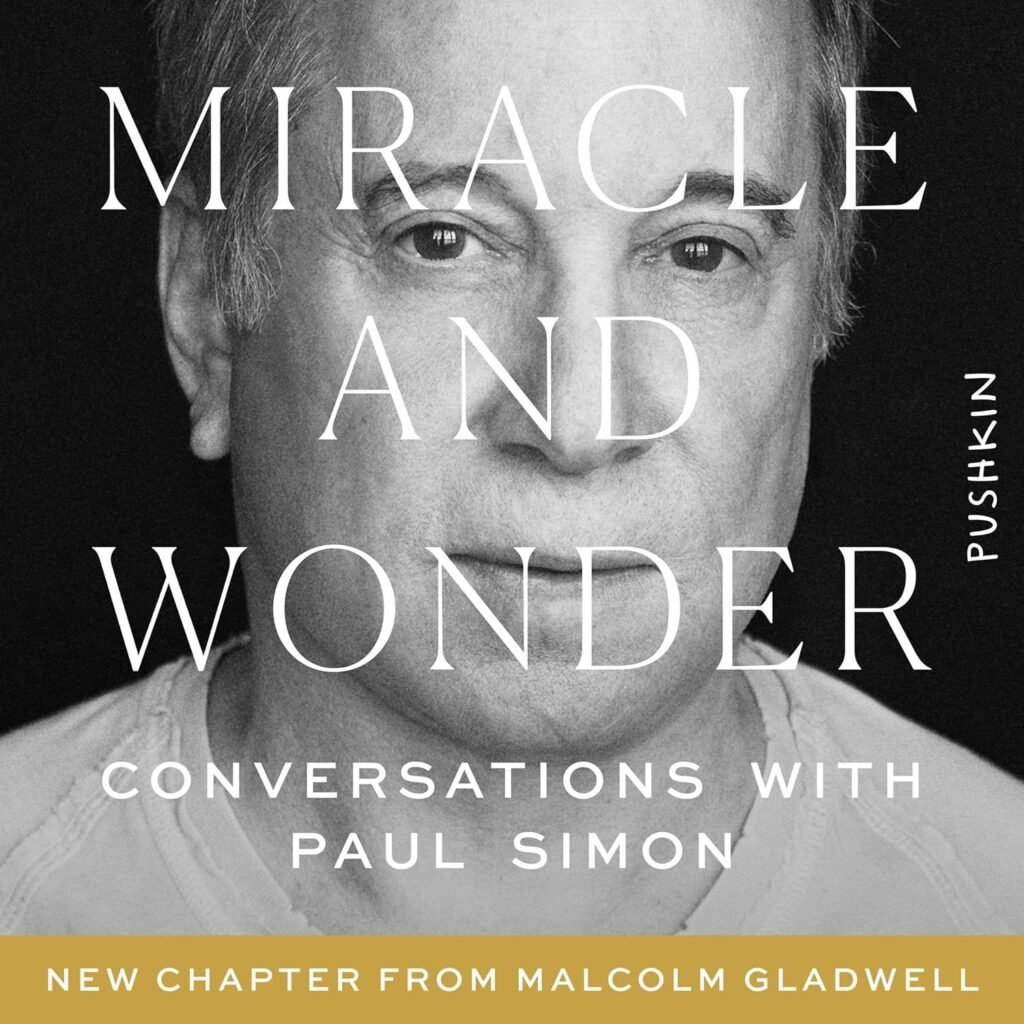
Of Miracle and Wonder: Conversations with Paul Simon, by Malcolm Gladwell
As an audiobook, this is an astoundingly beautiful work of art. (I couldn’t even find a print version of this book, and I think that’s for the best.) Conversations with one of the greatest songwriters of our age are interspersed with Malcolm Gladwell’s insightful commentary/summaries and with so much music. Often, Paul Simon answers a question by picking up a guitar and playing a riff or humming a few bars of one of his songs. He starts a conversation about one of his songs with, “Let’s listen to it,” or, “It’s worth listening to.”
I’ll have to admit that my main encounters with Paul Simon are in repeated “Sounds of Silence” replays, along with a couple of other Simon and Garfunkel hits. His newer catalogue has been unknown to me. So this book introduced me, not only to the newer songs, but to the “why” of Simon’s surprising changes in musical direction as he aged. Certain songs make more sense if you realize that they began with him searching apartheid South Africa for a certain group of musicians, or traveling to Brazil to find just the right drumbeat.
Destiny of the Republic: A Tale of Madness, Medicine, and the Murder of a President, Candice Millard
Before reading this book, James Garfield was a complete mystery to me. Sometimes I remembered that he was one of the assassinated presidents; sometimes I couldn’t even remember that much about him. After reading this book, I felt sad that we didn’t have more years of history featuring this man. This is not just a book about a president; Millard has done a beautiful job of weaving in the stories of Alexander Graham Bell (who fought to save the president’s life) and the insane assassin, as well.
The Psychology of Money: Timeless lessons on wealth, greed, and happiness, by Morgan Housel
No one is crazy, Housel assures us, in how we see money. Our family backgrounds, the economic state of the world when we were born, and all kinds of events in our lives have shaped our unique views of money. What you want, he says, is not the expensive stuff. You want the respect and admiration of others. That doesn’t actually come from buying things but from humility and kindness. (People don’t look at you when you drive up in a Ferrari, they look at the Ferrari and set themselves a new benchmark for success.)
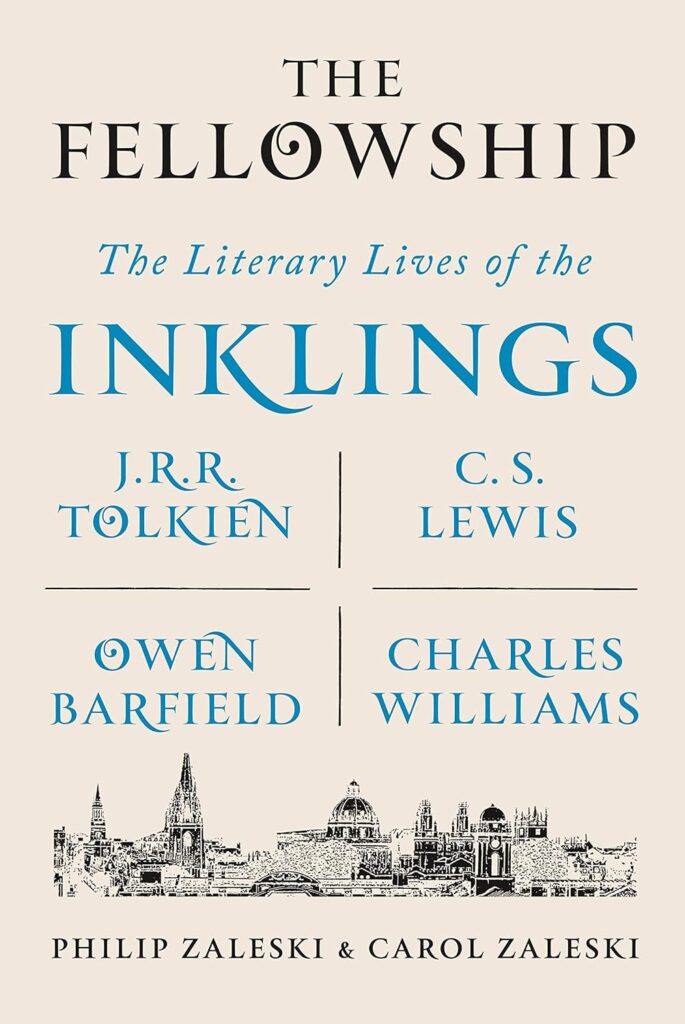
The Fellowship: the Literary Lives of the Inklings, by Philip Zaleski and Carol Zaleski
I wrote a short review of The Fellowship HERE. If you’re just wanting the sound bite, this is a four-in-one biography of the most famous of the Inklings, including C.S. Lewis and J.R.R. Tolkien. It’s a bit of a nerd’s book (you’ll find out why and how Tolkien spent so much time forming his elvish language). The Fellowship also gives a peek into the British way of life and philosophies of the early 20th century.
Other Nonfiction from my Favorite Books of 2025
Faithfully Present: Embracing the Limits of Where and When God Has You, by Adam Ramsey
How can we be “faithfully present” in our current season, rather than straining toward the next? Ramsey offers some helpful advice, a few nuggets of which I’m sharing in the paragraphs below. I particularly loved chapter four, which talks about the benefits of waiting. “Do not despise the slow times…While it may not seem like a lot of great things are happening around you, there is a great thing happening in you. God is not behind schedule in your life, because your life is happening on His schedule.” Later, Ramsey encourages rest as a valuable part of life. And in chapter 9, he points out that Eden was without roads, in spite of the command to be fruitful and thus spread over the world. “The good life was not found in getting somewhere, but in dwelling somewhere.”
“You need not fear [the passing of time]…when you serve the One whom time serves.”
“Each stage of our life is unrepeatable. Each is beautiful. The only question is, do we really believe that?”
“How do we not waste our waiting, since waiting makes up so much of living? …How can we think that our waiting is wasted, if in our waiting we are learning to pray?” (Ch. 4)
”Like Esau, trading his birthright for a bowl of stew, we exchange faithful presence for perpetual busyness.” (Ch. 4)
“Let’s commit to being present HERE, for as long as we are HERE. To spending less time watching others live their lives, and more time living our own.” (Ch. 9)
The Anxious Generation: How the Great Rewiring of Childhood is Causing an Epidemic of Mental Illness, by Jonathan Haidt
Sobering. If you’re a parent or simply someone who’s concerned about the overuse of phones in daily life, even among young children, this is a great starting place. The author provides some helpful guidelines for digital use. This book spends more time on the problems than the solutions, but I think it’s a good wake-up call for the Western world.
The Medieval Mind of C.S. Lewis, by Jason M. Baxter
A humbling read! I took way too long to read this short book (months!) because I knew so little and understood so little about the medieval authors C.S. Lewis loved. I’m glad I read it before approaching the Space Trilogy again, though. The months I spent wading through this material and attempting to grasp it made Lewis’s novels easy to read and helped make sense of some of his stranger characters. (Strange to the modern mind, but probably perfectly comprehensible to the medieval mind.)
The Closing of the American Mind: How Higher Education Has Failed Democracy and Impoverished the Souls of Today’s Students, by Allan Bloom
The Closing of the American Mind is the kind of book you read and then say, “EVERY American needs to read this book!” Bloom’s insight and his incisive writing lay open the American university and our educational system in general to public scrutiny. I have a longer review of this book in the works, but as of now my thoughts are still too scattered for publishing. All I have to say is, if you have time and are interested in what has happened to American education, philosophy, and culture, The Closing of the American Mind is a must-read. I listened to the audio format of the book, but wished for a physical copy, as I frequently rewound the book to copy a quote or better understand his thought process.
Fiction from My Favorite Books of 2025
Piranesi, Susanna Clarke
Magical realism.
Is this a story about mapping a labyrinth? Is this post-apocalyptic literature? Am I reading about a real or imagined labyrinth? The further I read, the more questions I had, until Clarke’s story drew me all the way to a satisfying closing.
This novel is strange, as one might expect after having read other novels by Ms. Clarke. It is also well-written, tautly plotted, and thought-provoking. I spent days thinking about what really matters in life beyond the basics of survival after finishing reading Piranesi.
The Collector of Burned Books, Roseanna White
I’ve read a few of White’s books before, and I think this one is by far her best-written and most moving.
The Tale of Two Cities, Charles Dickens
For most of my life, this novel has been on my list of “10 Novels I’d Take with Me to a Desert Island.” It had been about 12 years since my last reading of Tale of Two Cities, so I spent some happy (and sometimes sad) hours with it again this year. Dickens was paid by the word for his writing, so he is always quite wordy. In spite of the dense thicket of language, though, this story is a moving and powerful one of sacrificial love, which will always have more power than revenge.
I am now the proud owner of a beautiful set of Dickens (I have THIS COLLECTION – check it out!), so I expect to be re-reading more of Dickens’ novels in the coming year.
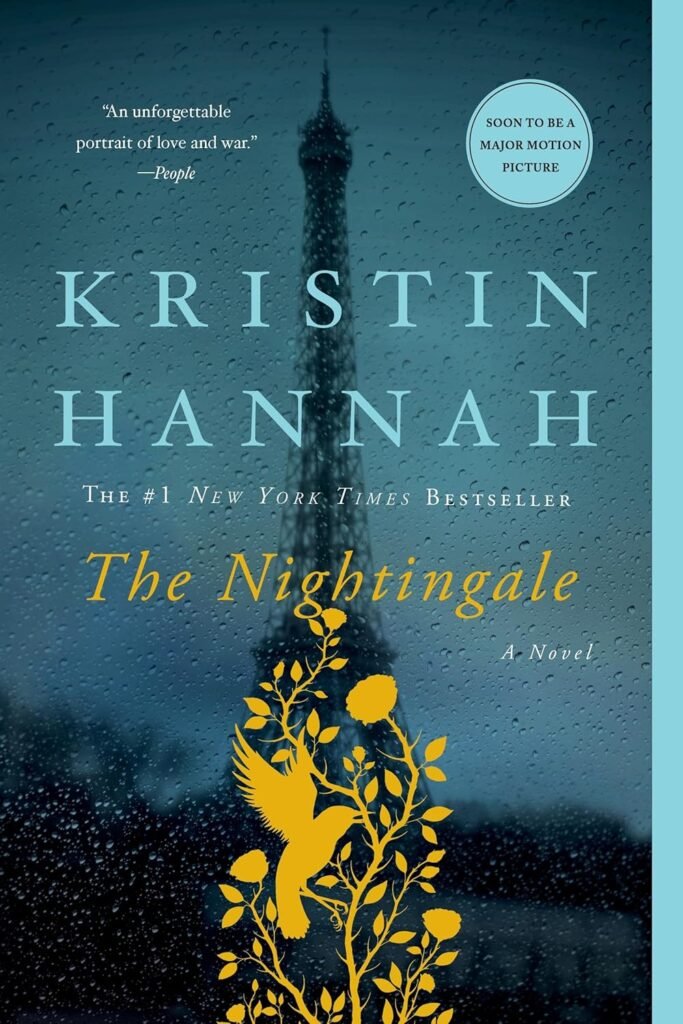
The Nightingale, Kristin Hannah
Beautifully written story of one of the Frenchwomen who helped Allied airmen escape occupied France. This is a story that tells more about family ties between sisters, close friends, and estranged parents than it does about adventure. But it is full of danger and suspense in this WWII setting.
Content warning for younger readers: Non-graphic bedroom scene. Also refers to rape.
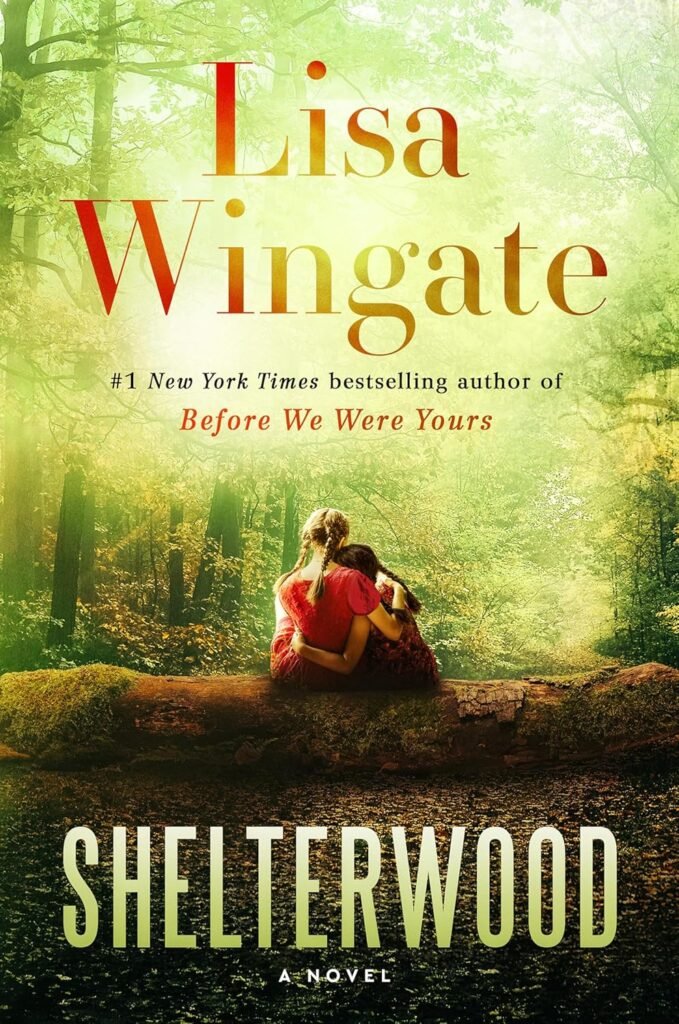
Shelterwood, Lisa Wingate
This was a beautiful novel. I didn’t love the chapters set in modern times as much, but I was engrossed by the historical part based on true stories from the Oklahoma land grabs happening to Choctaw land.
St. Peter’s Fair, Ellis Peters
A slow paced and satisfying mystery which is not so much solved by Brother Cadfael as alongside him.
The Space Trilogy, by C.S. Lewis
I had read all three books of the Space Trilogy while still a teenager, so this was my second time reading them. Since reading The Fellowship, I had a new perspective on Lewis’s thoughts as he wrote these strange yet prophetic space travel novels. Perelandra, book 2, is still my favorite. It asks the question, “What would happen if there were another Adam and Eve, and this time the tempter had a vocal adversary?”
The third novel, That Hideous Strength, pulls in some of the same characters from the space travel of the previous novels. However, the protagonists never leave Earth. In spite of Hideous Strength being earth-based, I find this novel to be the strangest of all and yet unnervingly prescient.
Fruit of the Drunken Tree, by Ingrid Rojas Contreras
The Colombian drug wars, viewed through the eyes of children. One of them, a little girl in a privileged home. The other, a child who had to grow up far too quickly when her father was killed by paramilitary soldiers and who now works as a maid in that home.
While children are the protagonists, I think Fruit of the Drunken Tree is most appropriate for adult readers.
Content warning: much violence.
Under the Tulip Tree, Michelle Shocklee
Christian fiction.
A young woman hired on by the WPA to record slave narratives forms a friendship with a former slave woman. As she records the woman’s story, she uncovers secrets about her own family. This book’s tender story and message of forgiveness warmed my heart.
The Mistborn Trilogy, by Brandon Sanderson
I don’t read a ton of fantasy. I love Tolkien and Lewis, but I find a lot of fantasy derivative. However, these three books surprised me with their unique world and well-plotted storyline. I thoroughly enjoyed reading all three and was surprised by the ending.
(I also read a couple of Sanderson’s other books this year – he is an amazingly prolific writer.) I’ll leave it to you to figure out his worldview…he is Mormon, but his characters voice all kinds of thoughts about religion in their alternate reality.
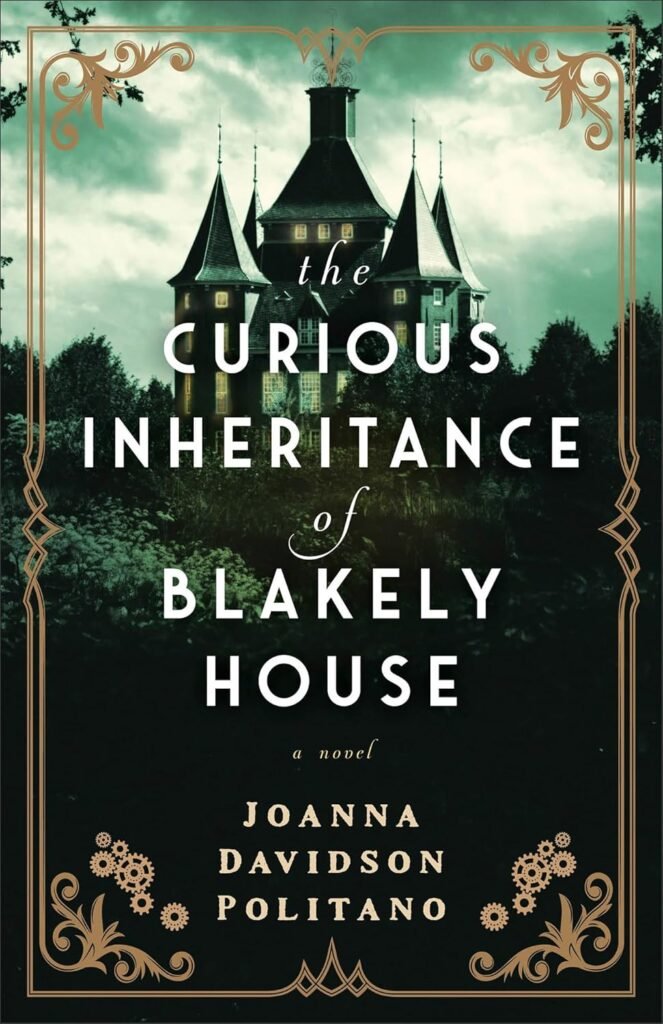
The Curious Inheritance of Blakely House, Joanna Davidson Politano
This historical mystery has just a tinge of Gothic flavor but is far too charming to be fear-inducing. The heroine, with her penchant for fixing what is broken and her special traits (ADHD? Autism?) is lovable, and the story of a house full of secrets—and too many heirs—gripped me. Politano’s message of God’s grace is a common one in her novels, and I appreciated her clear but light touch as she communicated truth.
Honorable Mentions:
The Other Princess, A Novel of Queen Victoria’s Goddaughter, by Denny Bryce
I’d never heard of the African princess who was Queen Victoria’s ward, so I was intrigued by this novel based on Princess Sarah Forbes Bonetta’s life. The story itself kept me reading, wanting to know what happened to Aina/Sarah. However, the writing was a bit stilted.
Homeschool Bravely, Jamie Erickson
Encouraging, good to listen to during a car ride, but not something I need to re-read. Maybe because I’ve spent so much time the last few years reading homeschooling books? Jamie Erickson is an author to watch, though, and I love following her Facebook page. I’ll read other books she writes!
A Place to Belong: Celebrating Diversity and Kinship in the Home and Beyond, by Amber O’Neal Johnston (see my review of this book HERE)
I have mixed feelings about this book, so please read the review!
Lessons from Madame Chic
How to be a girly girl in the fashion of the French. A bit snobbish, but exactly what I expected. I enjoyed it but wouldn’t read it again.
More Books?
Well, there you have it! My favorite books of 2025, with a few honorable mentions tagged at the end! If you’d like to see a few of my other reading lists, my 2024 list is HERE and my 2023 list is HERE. Again, please send me your recommendations for the coming year!
I am impressed with your reading choices